
The Beatles are opening their archives again—and the biggest discovery on the forthcoming Rubber Soul Special Edition is a John Lennon recording that fans and historians apparently did not know existed.
Titled “Little Girl,” the voice-and-guitar recording is officially described as a previously unheard Lennon song outline. It will be joined by unreleased home demos, early studio takes, a new stereo mix of the original album and material connected to the 1965 single “Day Tripper” and “We Can Work It Out.”
The expanded collection will be released October 2 through Apple Corps and Universal Music Group.


What Is John Lennon’s Unheard “Little Girl” Recording?
“Little Girl” is not a polished Beatles master or a newly completed group recording. It is an unfinished home recording featuring Lennon alone with his guitar.
Producer Giles Martin said the tape came from the Lennon estate while the archival material for the project was being assembled. Martin reportedly edited the available performance into a recording lasting approximately two minutes and 17 seconds.
The description of “song outline” is significant. It signals that listeners should expect an intimate document of Lennon developing an idea—not a fully arranged production featuring Paul McCartney, George Harrison and Ringo Starr.
The recording should also not be confused with “Hello Little Girl,” an early Lennon composition that the Beatles performed at their 1962 Decca audition and later released on Anthology 1.
“Little Girl” has not been issued as one of the advance tracks from the box set. Unless Apple Corps announces another preview, fans will hear the full recording when the collection arrives on October 2.
The Set Contains More Than One Unheard Lennon Tape
Although “Little Girl” is the headline discovery, it is only part of the previously unreleased material.
The expanded collection includes 24 early recordings from the period, among them 20 previously unreleased studio takes and three unreleased home demos. Those tapes allow listeners to hear songs changing before the familiar performances were completed.
One example is “Day Tripper (Songwriting Work Tape),” which Apple Corps officially released as a preview in August. Recorded at Lennon’s Kenwood home in Weybridge, Surrey, the tape captures Lennon and McCartney developing the song before its defining guitar riff had been written.
The pair can be heard testing the song’s structure and vocal approach during an informal writing session. The recording presents a markedly different stage of the composition from the finished single.
“Day Tripper” and “We Can Work It Out” were recorded during the Rubber Soul period but released separately as a double A-side single. Both have been incorporated into the expanded project to provide a broader account of the band’s work in late 1965.
Three Preview Recordings Are Already Available
The Beatles began promoting the collection with “Michelle (Take 1),” an early version of McCartney’s song that gives listeners a less finished view of its arrangement.
That was followed by the “Day Tripper” songwriting tape in August. On September 14, another advance track arrived: “Norwegian Wood (This Bird Has Flown) (Take 2).”
The early “Norwegian Wood” recording contains a different arrangement and offers further insight into George Harrison’s experimentation with the sitar. The instrument would become one of the defining sounds of the finished recording and an important sign of the Beatles’ rapidly expanding musical vocabulary.
None of those previews, however, reveals “Little Girl.” The Lennon demo remains the box set’s most closely guarded archival attraction.
How the Original Rubber Soul Album Was Remixed
Producer Giles Martin and engineer Sam Okell created the new stereo mix from the Beatles’ original four-track recordings.
The process used audio-separation technology developed by Peter Jackson’s WingNut Films Productions. The same underlying approach has helped engineers isolate instruments and voices that were previously locked together on old recording tracks.
That separation gives the production team greater control over the balance and placement of vocals, guitars, bass, drums and other instruments. It does not mean that new performances were generated or added to the Beatles’ work.
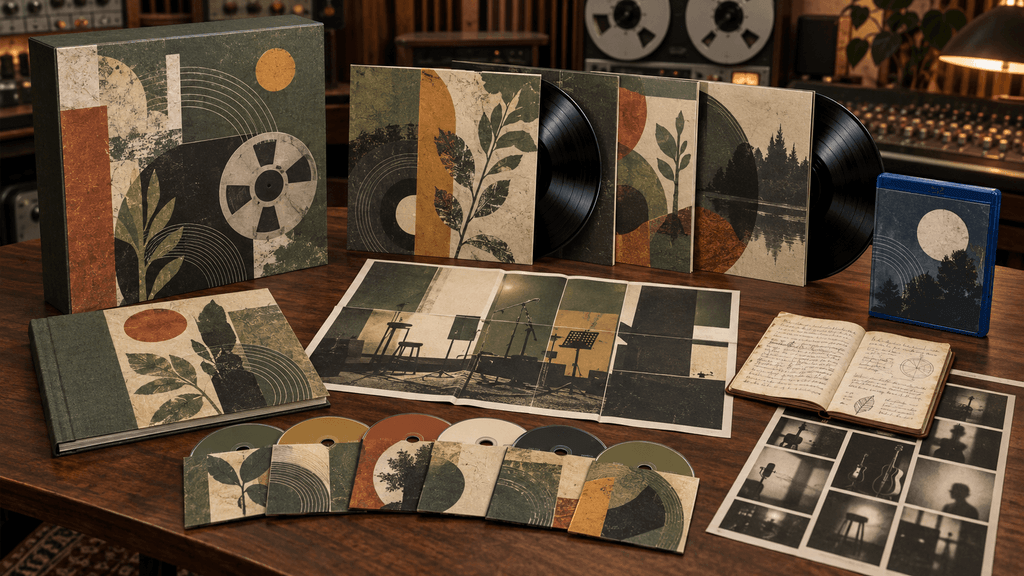
Depending on the selected format, the collection also includes the album’s original mono mix, its original U.S. Capitol configuration and a Dolby Atmos presentation. The Super Deluxe packages have been announced in CD and vinyl configurations, with the largest editions containing 68 audio tracks.
An 88-page hardback book accompanies the Super Deluxe collection. It includes an introduction by McCartney, archival photographs, recording information and material examining the album’s production.
Why Rubber Soul Remains a Turning Point
Originally released on December 3, 1965, Rubber Soul marked a crucial transition between the Beatles’ early pop period and the increasingly experimental studio work that followed.
The album includes “Drive My Car,” “Norwegian Wood,” “Nowhere Man,” “Michelle,” “Girl” and “In My Life.” Its folk influences, introspective songwriting and unusual instrumentation helped establish the album—not simply the single—as a major artistic statement in popular music.
The sessions were completed under intense time pressure, yet they documented a band becoming more ambitious about arrangements, recording techniques and lyrical subjects. Those developments would accelerate on Revolver and Sgt. Pepper’s Lonely Hearts Club Band.
That history is why the unfinished material matters. The outtakes are not simply alternate versions designed to increase the track count. They reveal how four musicians moved from initial ideas to recordings that helped redefine what a pop album could accomplish.
This Is Archival Material, Not a New Beatles Reunion
The phrase “unheard Beatles song” can create expectations of another release like 2023’s “Now and Then,” which combined Lennon’s archival voice with contributions from the surviving Beatles and earlier guitar work by Harrison.
“Little Girl” is a different kind of discovery. There is no indication that McCartney or Starr added new performances to Lennon’s demo or that it has been transformed into a completed Beatles single.
Instead, the Rubber Soul box set preserves the recording as part of the album’s creative history. Its importance comes from allowing listeners to hear Lennon’s unfinished songwriting process more than six decades after the tape was made.
For Beatles collectors, that may be more revealing than a modern attempt to complete it.